Temporary Relief for Canadian Motorists: The Suspension of the Federal Gas Tax
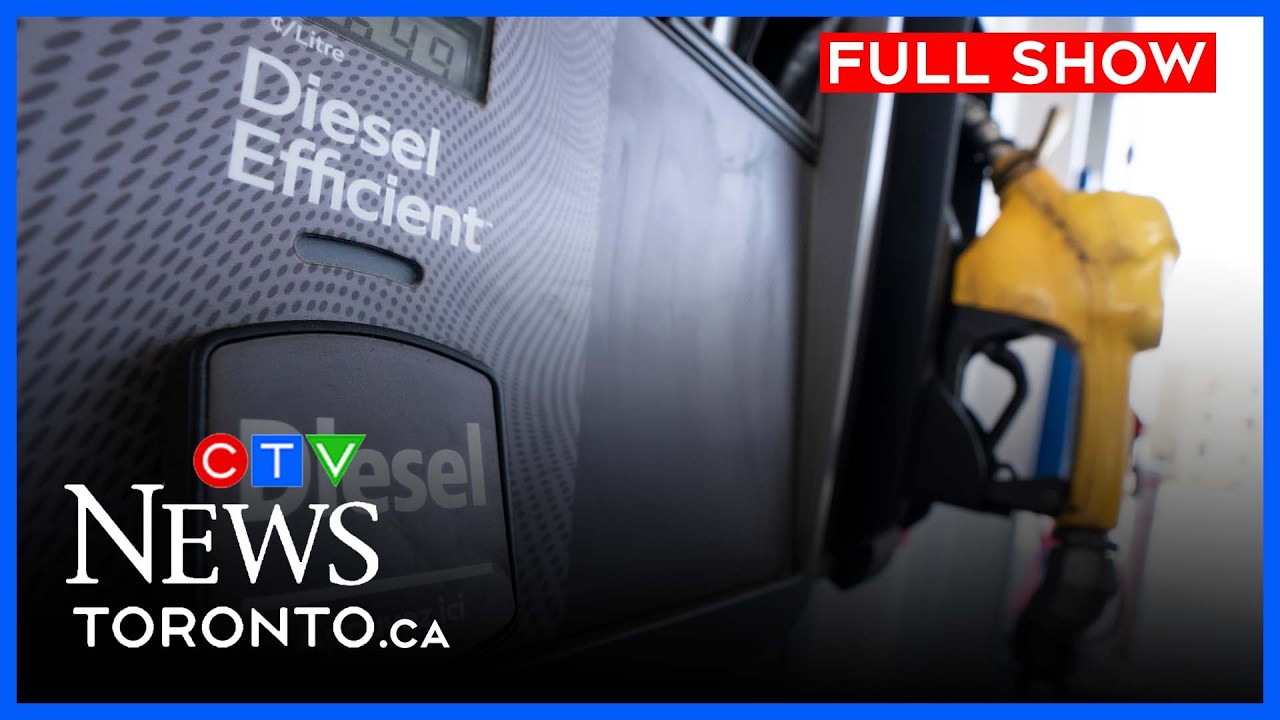
In a move prompted by escalating fuel prices, the Canadian government has announced the temporary suspension of the federal gas tax, which will take effect next week. Starting Monday, motorists can expect to see pump prices drop by 10 cents per liter. This policy, positioned as a measure of relief for families grappling with rising living costs, has been positioned as a response to a crisis prompted by geopolitical tensions in the Middle East, which significantly impacted gas prices.
However, this decision’s impact has invited skepticism. The Prime Minister has estimated that the suspension will cost the government approximately $2.4 billion and is intended as a quick fix until Labour Day. Critics, including some economists and opposition leaders, argue that a mere reduction of 10 cents per liter falls short of what is necessary to provide substantial relief. The consensus among some critics is that the government’s approach does not tackle the root causes of soaring fuel prices, which are linked to global supply constraints exacerbated by ongoing geopolitical instability.
Mark Carney, now leading a majority government fresh off three by-election victories, heralds this suspension as a significant achievement. Many citizens have echoed his sentiment, citing that even small reductions at the pump matter in a landscape where inflation eats away at disposable income. For a struggling family, even 10 cents can lead to noticeable savings over time. However, voices of doubt resonate—some citizens express concerns that this temporary measure may not be enough to alleviate the financial pressure many Canadians are under.
While survey data suggests that any reduction in gas prices is welcomed, some motorists reflect a nuanced understanding of the systemic issues that remain unaddressed. Many believe that deeper, more permanent solutions are needed to confront the challenges presented by fluctuating fuel markets. Ontario’s Premier Doug Ford has echoed this sentiment by calling for a more permanent cut to gas taxes, suggesting that alleviating costs for consumers is a fundamental aspect of supporting hardworking families.
Analysts have noted that the government’s decision seems to prioritize immediate electoral gain over substantive, long-term strategy. Suggestions for reducing fuel prices often entail addressing demand rather than simply lowering taxes, engendering a debate on the most effective policies to manage fuel consumption while maintaining economic stability.
Travel sector players, including airlines, have also responded cautiously to the announcement. Air Canada and WestJet acknowledge that while pump price reductions may alleviate some operational costs, much more is needed for meaningful relief from the volatile markets influenced by international turmoil. Indeed, several industry stakeholders argue that improving the situation for both consumers and businesses requires deeper dives into systemic transformations rather than singular, temporary measures.
Many residents in urban centers like Toronto express frustration about the lasting implications of high fuel prices—they rely on vehicles for daily commuting, and further price increases could significantly strain budgets. Yet, amidst these difficulties, hope lingers that emerging strategies from government may converge with the foresight needed to secure more resilient fuel pricing in the long term.
In conclusion, while the suspension of the federal gas tax offers immediate respite, it serves as a reminder of the complexities surrounding fuel prices in Canada. Whether this measure will prove beneficial long-term remains to be seen; its success hinges not only on the government’s ability to balance short-term relief with comprehensive gas tax reform but also on addressing the underlying issues that contribute to price spikes. As conversations continue around Canada’s approach to energy pricing and economic resilience, one thing is clear: Canadians are keenly aware of the challenges that lie ahead.